Council sends proposed school, church accessory use ordinance back for review
The city discussed ordinances and a review of its liability insurance at the Oct. 7 Grand Marais City Council meeting.
One ordinance reviewed at the meeting concerned a proposal to allow permitted accessory uses for churches and schools in the city’s R-1 residential zoning district.
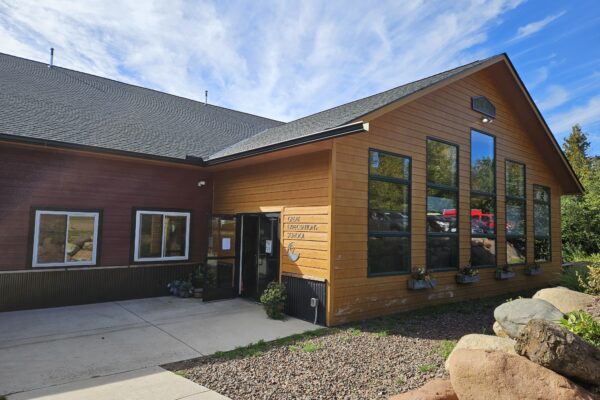
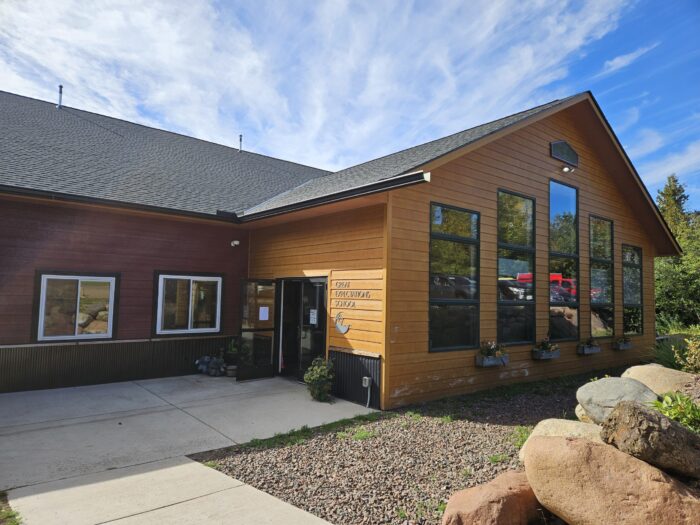
The proposal grew out of a request from the Great Expectations Foundation, which oversees the Great Expectations charter school. The foundation initially sought to rezone the school property from R-1 residential to Highway Mixed Use (HMU) to lease unused school space in the newly constructed building for commercial office use. Great Expectations Foundation representatives Tim Kennedy and Howard Hedstrom presented the request, which the city planning commission discussed at its Aug. 26 and Sept. 30 meetings.
On Sept. 30, the city planning commission instead recommended amending the R-1 zoning language to allow accessory uses. After a 5-0 vote by the planning commission, the matter then moved forward for review by the city council.
At the Oct. 7 meeting, city council members asked City Administrator Mike Roth questions about the proposal, including the process for screening potential commercial tenants and whether the city would oversee or have any involvement in it.
Councilor Bill Lovaas asked how the proposed zoning language would apply if the building were sold in the future or the use of the property changed.
Councilor Ben Peters questioned whether a conditional use permit process would be more appropriate than allowing permitted accessory uses under the ordinance. He said a conditional use permit would give the city more oversight and would avoid broadly allowing commercial uses at schools and churches throughout the city.
Councilor Craig Schulte raised questions about building safety conditions and whether state requirements or guidelines govern space needs for schools and other uses.
Roth also said the city attorney recommended changing the ordinance’s reference from “churches” to “places of worship,” which would broaden the language to include different types of religious institutions.
Given there were several questions from council members, Roth said the council had a couple of options for how to proceed. The council could move forward with the first reading of the proposed ordinance. Then it would return to the planning commission to allow the public to provide additional input while the city works to compile answers to the councilors’ questions. Afterward, it would return to the city council for a second reading and final approval of the ordinance at a November meeting.
The second option was for the council not to approve the first reading of the ordinance until the questions were answered and additional review was completed. This step would also require the ordinance to return to the planning commission for further discussion.
Councilor Michael Garry made a motion to approve the first reading of the ordinance, but the motion failed for lack of a second.
The proposal will now return to the planning commission for additional review and discussion.
Kalli Hawkins October 9, 2026