Wolf population decline in Voyageurs study area reflects natural predator-prey fluctuations
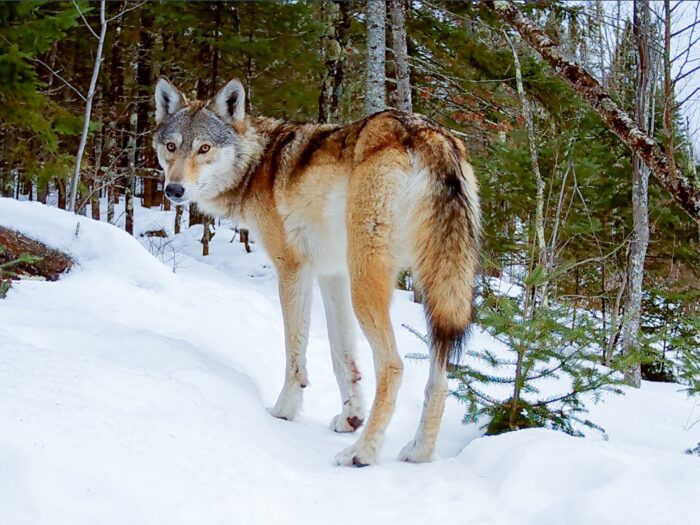
Wolf populations in the Greater Voyageurs ecosystem have declined an estimated 44% over the past three years. Researchers say the change reflects natural fluctuations in predator and prey populations following several winters that significantly affected deer numbers.
“Now, that’s not cause for any concern from our perspective. It’s just natural fluctuations in predator-prey populations,” said Tom Gable, project lead researcher with the University of Minnesota’s Voyageurs Wolf Project.
The project has studied wolves in the Greater Voyageurs ecosystem, including Voyageurs National Park and surrounding areas south of the park, since 2015.
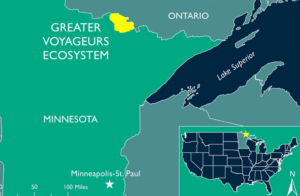
Greater Voyageurs Ecosystem map | Photo by Voyageurs Wolf Project
Gable said the wolf decline followed two consecutive severe winters in 2021-22 and 2022-23. During that period, researchers estimated deer populations in the study area declined by 56%.
Deep snow made deer more vulnerable to predation, initially benefiting wolves. But as deer numbers declined, the effects on the wolf population emerged more gradually.
“It takes a little bit for them to feel the negative effects of that reduction in deer populations,” said Gable. “Over the past couple of years, we have seen wolf populations really decreasing substantially as a result.”
Current wolf population estimates are the lowest recorded during the project’s 12 years of research, Gable said.
Meanwhile, deer numbers have increased modestly over the past three years, though densities remain low. Minnesota DNR data also show deer harvest in the northeast region increased following the 2026 firearms season, continuing an upward trend in recent years.
Gable said early data suggest wolf populations could continue to decline as deer numbers recover, particularly if another mild winter allows more deer to survive.
“The number one determinant of what wolf densities are is the amount of food and prey on the landscape,” Gable said. “So when you have a lot of prey, you have dense wolf populations and vice versa.”
The Voyageurs Wolf Project uses GPS collars, remote trail cameras, and other field methods to study wolf movements and population trends. Researchers are also examining how winter severity, habitat, and predation affect deer survival. Ongoing research includes fitting GPS collars on deer to better understand survival and mortality patterns.
The project’s findings provide a more detailed picture of wolf population changes within the Greater Voyageurs ecosystem of northern Minnesota. More broadly, the Minnesota Department of Natural Resources’ latest statewide estimate puts the state’s wolf population at approximately 2,431 animals, statistically stable compared with 2025. The statewide estimate covers a much larger area and is not directly comparable to the project’s findings.
WTIP’s Kalli Hawkins spoke with Tom Gable, project lead researcher with the University of Minnesota’s Voyageurs Wolf Project, about the ongoing ‘Deer Survival within Minnesota’s Densest Wolf Population’ research project and the overall deer and wolf populations within the Greater Voyageurs ecosystem. Listen to the full interview below.
Kalli Hawkins November 29, 2026