By the numbers: HRA considers DEED data on housing accessibility
The bitter cold may be preventing progress on any construction projects in the county, but for the Cook County Housing Redevelopment Authority(HRA), the winter is a time for planning.
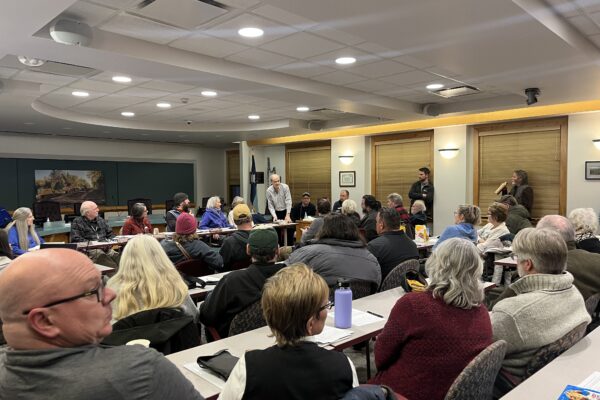
The HRA met on Jan. 21, and the meeting included a presentation from the Minnesota Department of Employment and Economic Development (DEED). Regional Analyst Carson Gorecki spoke to the board about data collected by DEED for Cook County and the entire Arrowhead region.
“I just wanted to invite someone from deed and Carson is in from Duluth, just to kind of give the information that I think the Board of Directors really have been kind of hungering for, for a long time,” explained HRA Executive Director Jeff Brand. “When we talk about what we do here, we’re really tied to housing in context of economic development. We’re really tying that to workforce development as well.”
Gorecki presented data about employment in the county, available housing units, and the accessibility of those housing units by members of the workforce. Since 2000, Cook County’s population has grown nearly 8%. While the overall population shift is relatively small, the demographic shift that has taken place over that time is significant. During those two-and-a-half decades, the population of people who are 55-years old and older has risen by 67%, and the population of people under 45 has dropped by 12%.
Along with the changes in the population, the DEED data showed that there has also been a drop in the average household size. While the drop is small, it caught the attention of the HRA commissioners, who asked Gorecki to explain potential factors contributing to it. He said that with more older residents staying in their homes, and more younger people having smaller families, the number of people per housing unit is slowly dropping. According to the DEED data, 15% of households in the county are a person over 65 living living alone.
The changing household size could inform the approach to planning housing projects in the future.”It will definitely inform us when we think about things like density,” Brand said. “And we talk about size, square footage, when we discuss what amenities people are looking for in the future, it’s interesting.”
Brand added that how people use their homes, however, is another factor. He said that with more people working from home than previously, they may be looking for bigger spaces that allow them to have dedicated workspace.
Gorecki also presented information about home prices compared to what many workers in Cook County earn. According to the DEED data, the workforce in Cook County makes up just over half of the total population. In comparing pay for jobs in some of the largest sectors in the area with the median costs for two-bedroom apartments and the median-priced home for sale in the county, the data shows a significant disparity between what many workers are earning and what housing is accessible to them.
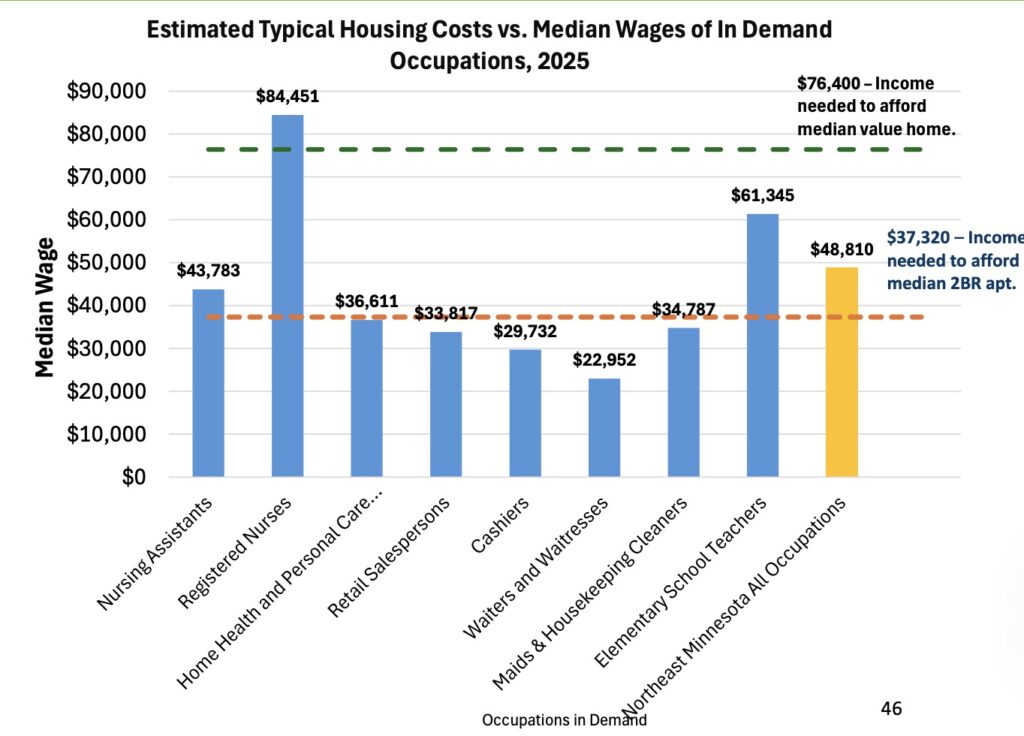
A lack of available, affordable housing is one of the top barriers to employment, according to a DEED survey.
While the affordability of homes in the area is increasingly becoming a problem, the total number of homes has increased over the past decade. Gorecki explained that nearly 55% of the units in Cook County are considered vacant, based on the criteria DEED uses to assess whether homes are occupied. He said that homes are considered occupied if someone is living in them full-time. The 44.8% occupancy in Cook County is significantly lower than the occupancy rate of 77.1% in Minnesota’s Northeast region. Both values are lower than the state overall, where 90.6% of homes are occupied.
The reasons that a home might be unoccupied can vary, and DEED records that information as well. In Cook County, 94% of unoccupied homes are non-homesteaded, seasonal homes.
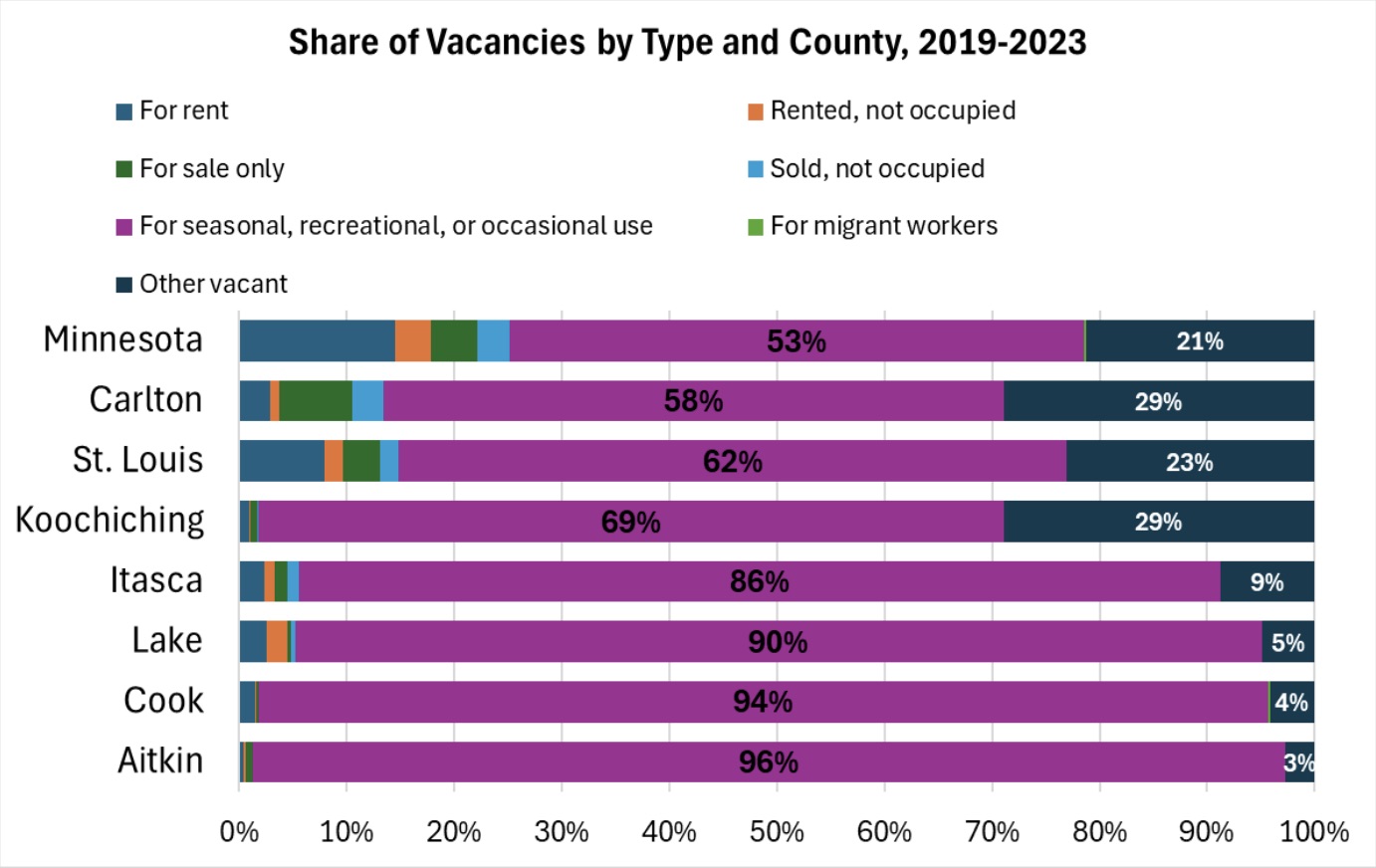
Cook County is by no means alone in having a high rate of second-home owners. Brand said that several other counties in the Northeast are working to balance a large number of second homes with the need for affordable long-term housing. At the January HRA meeting, Brand broached the topic with the HRA, and indicated that there would be a longer conversation about how the state legislature could play a role in helping achieve that balance.
Brand said that building new affordable homes is difficult in a time when subsidies that may have helped support those efforts in the past have largely been eliminated. He said that the new landscape will require developers to consider how else to help offset the costs, or how to incentivize landowners to consider multi-family dwellings. He also suggested taking the issue to the legislature.
“I think that the discussion at the legislature is going to be, how do we get more participation in that funding from folks that don’t maybe reside here full time, that don’t fully participate in the local economy because they live somewhere else full time,” he said.
WTIP’s Kirsten Wisniewski spoke with HRA Executive Director Jeff Brand. Audio of that interview is below.
Kirsten Wisniewski January 28, 2026