Rural health network aims to strengthen independent hospitals
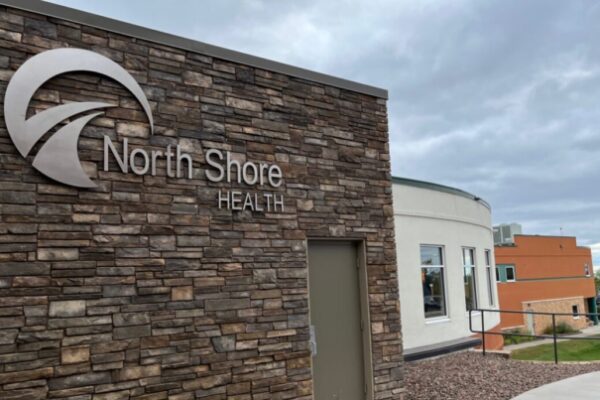
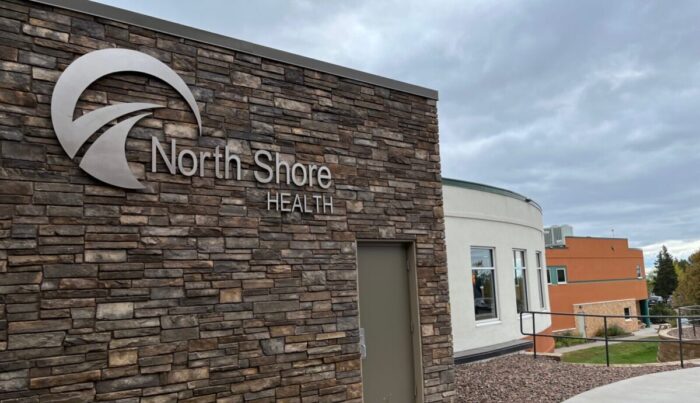
The North Shore Health Board received a presentation from Cibolo Rural Health Network on the benefits of the Headwaters Network, a high-value network made up of Minnesota’s rural independent health care providers.
“I would say a relevant correlator to the high-value network is that of a farmers’ co-op,” Brittany Sachdeva, chief operating officer for Cibolo, told WTIP. “The whole objective of building this network was so providers that are small, have limited resources, have low volumes, can work together in a collaborative fashion to enhance the outcomes around making health care more cost-effective and increasing the quality.”
The presentation came as the North Shore Health Board evaluates options for the hospital to remain independent.
North Shore Health is a founding member of the Headwaters Network, which was created in June 2024. At the time, more than 20 organizations were navigating the complex landscape of rural health care and viewed Cibolo’s Rough Riders Network in North Dakota as a model that could succeed in Minnesota.
As an integrated network, Headwaters gives North Shore Health access to opportunities that would be difficult or impossible to achieve independently.
“A really tangible example is a population health platform. So a large [healthcare] system has access to all sorts of technology and infrastructure to support their teams in providing value-based care,” Sachdeva told WTIP. “For a North Shore Health to go and purchase a population health platform, with any level of robustness, it would be crippling financially. These are seven-figure platforms.”
Sachdeva said Cibolo can negotiate a single contract on behalf of the hospitals in its network. That allows North Shore Health to share costs not only with the other 22 hospitals in the Headwaters Network, but also with the 207 hospitals throughout Cibolo’s national network.
“They allow independent organizations like ours to collaborate and gain some of those advantages, like we’ve just been talking about, that the larger system has,” North Shore Health CEO Kimber Wraalstad told WTIP. “While we still maintain that local governance and local decision making.”
As rural providers face financial uncertainty — including anticipated impacts from the One Big Beautiful Bill Act beginning in 2027 — health care leaders say the environment requires creative solutions. Members of the Headwaters Board of Directors recently traveled to Washington, D.C., where they met with Mehmet Oz and Robert F. Kennedy Jr.
“Rural health care is on the map in a way that is much more prevalent than in any of my previous 25 years in health care,” Sachdeva told WTIP. “The whole country is looking at Headwaters Network and Rough Rider, that’s our inaugural network in North Dakota, to see what are what are the true impacts that these networks can make.”
According to Sachdeva, Cibolo does not market itself or maintain a sales team. Instead, joining the network often requires administrators who already have established relationships and trust with one another.
In addition to acquiring technology and infrastructure, Cibolo negotiates value-based care contracts with insurance companies, which can affect the financial outlook for hospitals in the network.
“I think the future looks like many states begin to replicate exactly what the rural independence in Minnesota has started to build,” Sachdeva said. “I think that over the span of the next handful of years, we’re going to have many value-based care arrangements and really shift the paradigm around how folks are getting paid for the services rendered. We really want to see a higher emphasis on quality outcomes and reasonable cost.”
WTIP spoke with Sachdeva and Wraalstad about Headwaters and other administrative issues during the North Shore Health Board meeting. Audio of the conversation can be found below.
Josh Hinke June 4, 2026